The story concerns an eight-year-old boy and his father, who don't see each other very often, as the father and the boy's mother are separated, setting out awkwardly and self-consciously together on a camping trip on which a lot consequently rides in terms of cementing, indeed repairing, their precarious relationship. As they unpack the car there are two flashbacks, located in the child's consciousness, featuring the mother, the first when he overhears her talking to her live-in boyfriend about the coming trip and about the father's general conduct as an absentee father, and a second one in which the father picks the boy up for the trip from the mother's home.
BBC Bitesize tells us that the mother
is presented as an angry and embittered person. Her anger is spoken to her current partner, Jim, and is directed against her former husband whom she regards mockingly as having made a poor effort to act as a father to his son.
"There was a choke in her voice now, and suddenly a kind of snarl: 'You wouldn't expect him to start now, would you - accommodating his child into his life?'"(ll. 24 - 26)
Well, OK, the mother is angry. But angry why and in what way? I'd say she's chiefly angry about what she sees as the father's inability to be a better father, both as an absentee parent and previously, before the parents separated - there is italicisation that isn't replicated on the Bitesize site on both the word now implying a previous, similar situation, and on life, implying an inability by the father to adapt to fatherhood. This last, the father's inadequacy, is something that the incidents on the camping trip go on to support, but the critic implies it is just the mother's view: he says she 'regards' the father as putting on a poor show as a father. One can extrapolate that this, the mother's sense of the father's inadequacy, was one of the reasons for the breakdown of the parents' relationship in the first place, and thus that the mother's comment on the irony (ie if he didn't do it when they were together, how is he going to do it now?) indicates that her anger is also about the irony of the general situation. Nevertheless her anger - I don't think it's just anger, but I'll come to that - is directed towards a particular (and very important) issue, the fact that her son and his father aren't close.
However, the wording of the Bitesize commentary implies something different. She is an angry 'person' we are told, implying a general anger typical of her personality, with a possible resulting implication that she doesn't have justification for anger on this particular occasion. There is something pejorative about this in itself, and once 'angry' is paired with 'embittered', a word generally used pejoratively (it generally implies an unjustified, self-centred resentment), we can be in no doubt about the critic's negative view of the mother. Thus he (I'm kind of assuming the critic is a he, but I may be being entirely unjust) sees the mother's ironic comment as 'mocking', with its hints of cruelty and a position of cool superiority. This last runs completely counter to my own view of the situation and my literary intentions. I see all of the characters, including the mother, as caught up in a painful situation and suffering. The mother, as I say, is not simply angry. There is a 'choke' in her voice, which surely - well, I intended it anyway - implies that she is beginning to cry. One of the things I am trying to say in this story is that it's just about impossible to shield children from their parents' unhappiness. So when the boy comes downstairs and hears his mother saying this thing about his father he is not only upset on behalf of his father, but also catches his mother's unhappiness. He hears the choke in her voice, and 'the light seeping through her fuzzy hair made the bones of his shoulders ache'. The BBC Bitesize tutor/critic does note that the mother tries to shield the boy from what she has been saying about the father, but does not seem to see that this is one of the ironies on which the story pivots: the mother stops (and is alarmed and ashamed that the boy may have heard) because she wants the child to have good relationship with the father. In fact, the critic states that the most obvious judgement of the mother's sudden silence and change of manner is that the mother is being 'hypocritical', and agrees with that judgement, before going on to state that, actually, I present it as 'more complex'. The mother's 'behaviour', he/she tells students, 'is what adults do when they try to protect their children from the ugly truths of the adult world.' This is a vague phrase, including no sense that the mother is trying to hide not only the discord between herself and his father but also her own unhappiness from a child she understands will in turn be made unhappy by both of these things ('wrenching a look of bright enthusiasm onto her face'). It is the boy's happiness she is concerned with here.
But no. According to the critic, the mother is thinking of herself and lacks concern for the boy. (It is interesting that he uses the word 'behaviour', implying that she is not well-behaved.) It is true that the boy knows what the mother will be saying, which means that he has heard her saying it in the past. Rather than seeing this (as I intend) as proof of the enormity of the problem to the mother and the household, which will inevitably filter through to a child constantly alert to his parents' broken relationship, the critic sees it as proof of the mother's lack of concern for the boy. 'The mother is also presented as selfish' we are told in no-uncertain bolds. She cries, for goodness' sake, when the boy and his father are leaving! (Crying's no amelioration after all - it's a sin!) (Well, actually, she doesn't just cry - she is once again trying to stop herself doing so but the child sees that 'her eyes are bulging and wobbly with tears'). To the critic this indicates not the extent of her distress, but a selfish dereliction of maternal duty, and it is this, specifically, that to the critic 'spoils [the boy's] enjoyment of the weekend', rather than (as I see it) the child's more general apprehension of the adults' pain and the father's inability to relate to him. He ends his revision note on the mother by stressing the use in the story of the word 'unforgivable' to describe the mother's warning to the father not to camp too near an edge, and the implication, which the boy picks up - and which distresses him - that the mother doesn't trust the father with the boy. He seems to overlook the fact that, since the flashback is contained within the boy's point of view, this is just the boy's - momentary - judgement of his mother. As far as I am concerned it's an instance of the complicated emotions all parties experience in such situations - after all, in the next instant the boy feels he doesn't want to leave his mother and doesn't want after all to go with his father. But as far as the critic is concerned, it's my overall judgement of the mother (which he seems to justify by calling 'unforgivable' an 'adult' word), and it's clearly his. Clearly, in this critic's view, mothers are not allowed the human emotions of unhappiness and anger. Any failure to shield their children from their emotions is simply unforgivable, and any attempts they may have made to so before failing need not be acknowledged. A less-than-perfect mother is a Bad Mother. (In the light of all this, a pretty pejorative halo surrounds the critic's reference to the mother's 'current' relationship, and a feckless woman moving from partner to partner is potentially conjured.)
This is sexism, and this is what young people studying this story for this exam are being taught by the BBC.
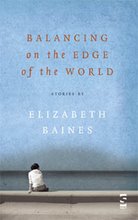
You can read 'Compass and Torch' on East of the Web (where it was first published), and it's included in my collection Balancing on the Edge of the World (Salt).
(I'm crossposting this to my author blog, Elizabeth Baines.)
However, the wording of the Bitesize commentary implies something different. She is an angry 'person' we are told, implying a general anger typical of her personality, with a possible resulting implication that she doesn't have justification for anger on this particular occasion. There is something pejorative about this in itself, and once 'angry' is paired with 'embittered', a word generally used pejoratively (it generally implies an unjustified, self-centred resentment), we can be in no doubt about the critic's negative view of the mother. Thus he (I'm kind of assuming the critic is a he, but I may be being entirely unjust) sees the mother's ironic comment as 'mocking', with its hints of cruelty and a position of cool superiority. This last runs completely counter to my own view of the situation and my literary intentions. I see all of the characters, including the mother, as caught up in a painful situation and suffering. The mother, as I say, is not simply angry. There is a 'choke' in her voice, which surely - well, I intended it anyway - implies that she is beginning to cry. One of the things I am trying to say in this story is that it's just about impossible to shield children from their parents' unhappiness. So when the boy comes downstairs and hears his mother saying this thing about his father he is not only upset on behalf of his father, but also catches his mother's unhappiness. He hears the choke in her voice, and 'the light seeping through her fuzzy hair made the bones of his shoulders ache'. The BBC Bitesize tutor/critic does note that the mother tries to shield the boy from what she has been saying about the father, but does not seem to see that this is one of the ironies on which the story pivots: the mother stops (and is alarmed and ashamed that the boy may have heard) because she wants the child to have good relationship with the father. In fact, the critic states that the most obvious judgement of the mother's sudden silence and change of manner is that the mother is being 'hypocritical', and agrees with that judgement, before going on to state that, actually, I present it as 'more complex'. The mother's 'behaviour', he/she tells students, 'is what adults do when they try to protect their children from the ugly truths of the adult world.' This is a vague phrase, including no sense that the mother is trying to hide not only the discord between herself and his father but also her own unhappiness from a child she understands will in turn be made unhappy by both of these things ('wrenching a look of bright enthusiasm onto her face'). It is the boy's happiness she is concerned with here.
But no. According to the critic, the mother is thinking of herself and lacks concern for the boy. (It is interesting that he uses the word 'behaviour', implying that she is not well-behaved.) It is true that the boy knows what the mother will be saying, which means that he has heard her saying it in the past. Rather than seeing this (as I intend) as proof of the enormity of the problem to the mother and the household, which will inevitably filter through to a child constantly alert to his parents' broken relationship, the critic sees it as proof of the mother's lack of concern for the boy. 'The mother is also presented as selfish' we are told in no-uncertain bolds. She cries, for goodness' sake, when the boy and his father are leaving! (Crying's no amelioration after all - it's a sin!) (Well, actually, she doesn't just cry - she is once again trying to stop herself doing so but the child sees that 'her eyes are bulging and wobbly with tears'). To the critic this indicates not the extent of her distress, but a selfish dereliction of maternal duty, and it is this, specifically, that to the critic 'spoils [the boy's] enjoyment of the weekend', rather than (as I see it) the child's more general apprehension of the adults' pain and the father's inability to relate to him. He ends his revision note on the mother by stressing the use in the story of the word 'unforgivable' to describe the mother's warning to the father not to camp too near an edge, and the implication, which the boy picks up - and which distresses him - that the mother doesn't trust the father with the boy. He seems to overlook the fact that, since the flashback is contained within the boy's point of view, this is just the boy's - momentary - judgement of his mother. As far as I am concerned it's an instance of the complicated emotions all parties experience in such situations - after all, in the next instant the boy feels he doesn't want to leave his mother and doesn't want after all to go with his father. But as far as the critic is concerned, it's my overall judgement of the mother (which he seems to justify by calling 'unforgivable' an 'adult' word), and it's clearly his. Clearly, in this critic's view, mothers are not allowed the human emotions of unhappiness and anger. Any failure to shield their children from their emotions is simply unforgivable, and any attempts they may have made to so before failing need not be acknowledged. A less-than-perfect mother is a Bad Mother. (In the light of all this, a pretty pejorative halo surrounds the critic's reference to the mother's 'current' relationship, and a feckless woman moving from partner to partner is potentially conjured.)
This is sexism, and this is what young people studying this story for this exam are being taught by the BBC.
You can read 'Compass and Torch' on East of the Web (where it was first published), and it's included in my collection Balancing on the Edge of the World (Salt).
(I'm crossposting this to my author blog, Elizabeth Baines.)